About Ultrasonic Fuel Oil Level Sensor
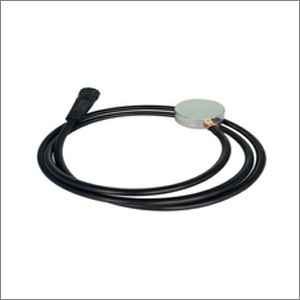
Ultrasonic Fuel Oil Level Sensor refers to a monitoring sensor that is placed between the reflected return of these pulses, the current fluid level can be accurately gauged. Ultrasonic Fuel Oil Level Sensor fluids are stored in tanks or containers with complex and unique geometries, the analogue output signal of the ultrasonic tank level sensor technology ensures precise readings every time.
Specification
| Brand | AAA Vision |
| Usage/Application | Industrial |
Industrial-Grade Protection and DurabilityEngineered for harsh environments, the sensor features a strong anti-vibration structure, aluminum alloy body, and optional anti-explosion design. With an IP67 rating and high humidity tolerance, it delivers reliable performance in demanding conditions. The non-contact measurement prevents corrosion and minimizes maintenance, making it suitable for a wide variety of industrial and storage applications.
Flexible Integration and Output OptionsThe sensor supports a range of output types, including 4-20mA analog signals and digital communications (RS485/RS232), ensuring compatibility with most monitoring and control systems. An integrated LCD display is available for onsite readings, while optional wireless communication enables remote level monitoring. The versatile mounting options (flange or threaded) allow easy adaptation to different tank configurations.
FAQ's of Ultrasonic Fuel Oil Level Sensor:
Q: How does the Ultrasonic Fuel Oil Level Sensor measure the tank contents?
A: This sensor uses non-contact ultrasonic technology to send pulses and receive echoes from the fuel or oil surface inside the tank. By calculating the time delay, it determines the exact liquid level, providing continuous and precise readings without touching the fluid.
Q: What types of tanks can this sensor be installed in?
A: It is compatible with both non-metal and metal tanks that have inner linings, making it ideal for a wide range of fuel and oil storage applications. The flexible mounting options (flange or threaded) further ensure easy installation across various tank designs.
Q: When should I consider choosing the anti-explosion version?
A: The anti-explosion optional design is recommended when installing the sensor in hazardous environments where explosive gases or volatile fuels are present. This ensures safe operation in compliance with strict safety regulations.
Q: Where can the sensor's readings be viewed?
A: Readings can be accessed onsite with the optional integrated LCD display or monitored remotely via standard analog (4-20mA) or digital (RS485/RS232) outputs. Optional wireless modules are also available for remote or centralized monitoring systems.
Q: What is the process for installing and calibrating the sensor?
A: The sensor mounts directly to the tank using flange or threaded fittings. Once installed, it requires minimal setup. The automatic self-diagnostic function assists with calibration and troubleshooting, ensuring accurate measurement and reliable operation.
Q: How does the sensor benefit industrial users?
A: By delivering high-accuracy, maintenance-free, non-contact measurement, this sensor reduces downtime, enhances safety, and optimizes inventory management for fuels and oils. The robust build and flexible outputs support various control and monitoring requirements.






 Send Inquiry
 Send Inquiry
 Send SMS